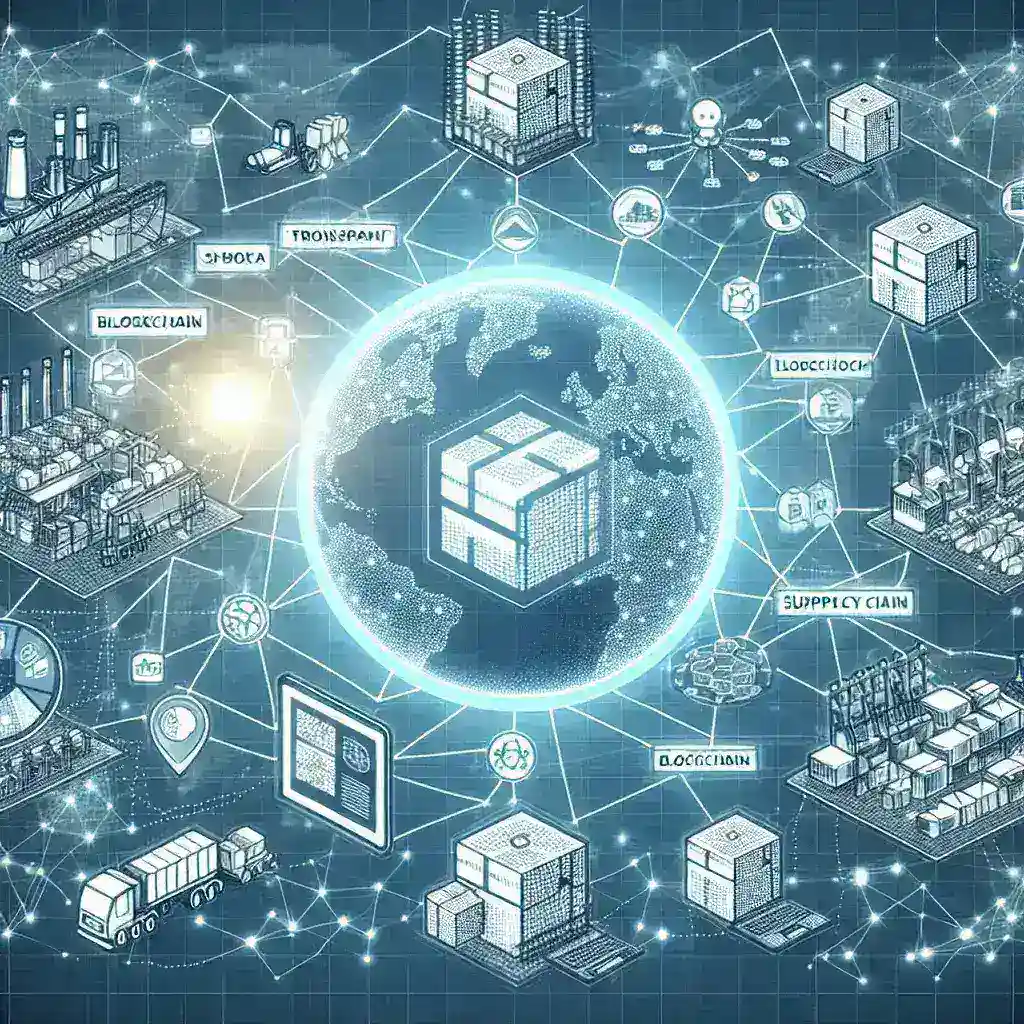
Introduction to Blockchain Technology
Blockchain is a revolutionary technology that provides a secure and transparent way to store data. It operates as a decentralized ledger, ensuring that all participants in a network have access to the same information. This characteristic is especially beneficial in supply chain management where transparency is crucial.
The Need for Transparency in Supply Chains
In today’s global economy, supply chains have become increasingly complex, often involving multiple parties, from manufacturers to distributors to retailers. A lack of transparency can lead to issues such as fraud, inefficiencies, and poor product quality. Thus, the demand for transparent supply chains has never been higher.
How Blockchain Enhances Supply Chain Transparency
Blockchain technology can significantly improve transparency across supply chains in several ways:
- Traceability: Each transaction on a blockchain is time-stamped and linked to a previous transaction. This creates a permanent record that allows stakeholders to trace the journey of products from raw materials to the end consumer.
- Immutability: Once data is entered into a blockchain, it cannot be altered or deleted. This ensures that information remains accurate and reliable, which is vital in cases of recalls or disputes.
- Real-time Monitoring: Blockchain can facilitate real-time tracking of goods as they move through the supply chain. This feature enables companies to respond quickly to any disruptions or changes, thus increasing efficiency.
- Enhanced Security: By using cryptographic algorithms, blockchain provides a high level of security, making it difficult for unauthorized parties to access or tamper with the data.
Case Studies of Blockchain in Supply Chain Management
1. Food Safety
Companies in the food industry are utilizing blockchain to improve food safety and traceability. For instance, a well-known food retailer has implemented a blockchain system that allows consumers to track the origin of their food products. This transparency not only reassures customers but also helps the company respond more effectively to food safety issues.
2. Pharmaceutical Supply Chains
The pharmaceutical industry has been notorious for counterfeit drugs. Blockchain technology is being adopted to combat this issue by providing a secure and verifiable record of each transaction along the supply chain, ensuring that products are authentic and safe for consumers.
Challenges in Implementing Blockchain
While the benefits are clear, there are challenges in implementing blockchain in supply chains:
- Integration with Existing Systems: Companies need to integrate blockchain technology with their current systems, which may require significant time and resources.
- Data Privacy: Ensuring the confidentiality of sensitive data while still providing transparency can be a challenge.
- Collaboration among Stakeholders: Successful blockchain implementation requires cooperation from all parties involved in the supply chain.
Conclusion
The integration of blockchain technology into supply chains has the potential to revolutionize how products are tracked and traced. By enhancing transparency, blockchain not only strengthens trust among stakeholders but also optimizes operations. As more companies recognize the value of this technology, we can expect to see broader adoption, leading to more efficient and transparent supply chains worldwide.
